Industries Served
Industrial Mineral Applications
Nine product lines. Twenty-five grades. All backed by production-built quality systems and full technical support — across ceramics, coatings, plastics, glass, pharmaceutical and personal care.
Every industry we supply has its own process requirements, quality criteria, regulatory context and formulation demands. The sections below set out how our minerals perform in each one — and which grades to consider first.
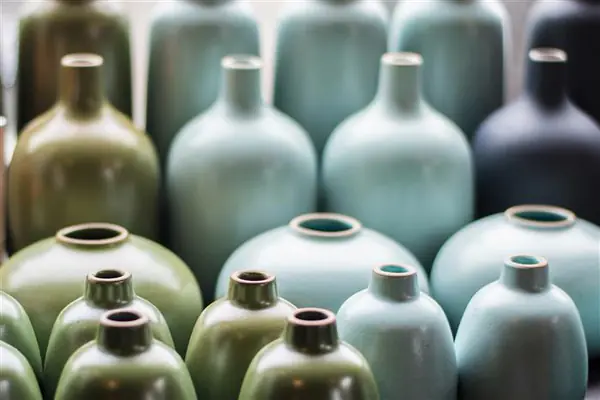
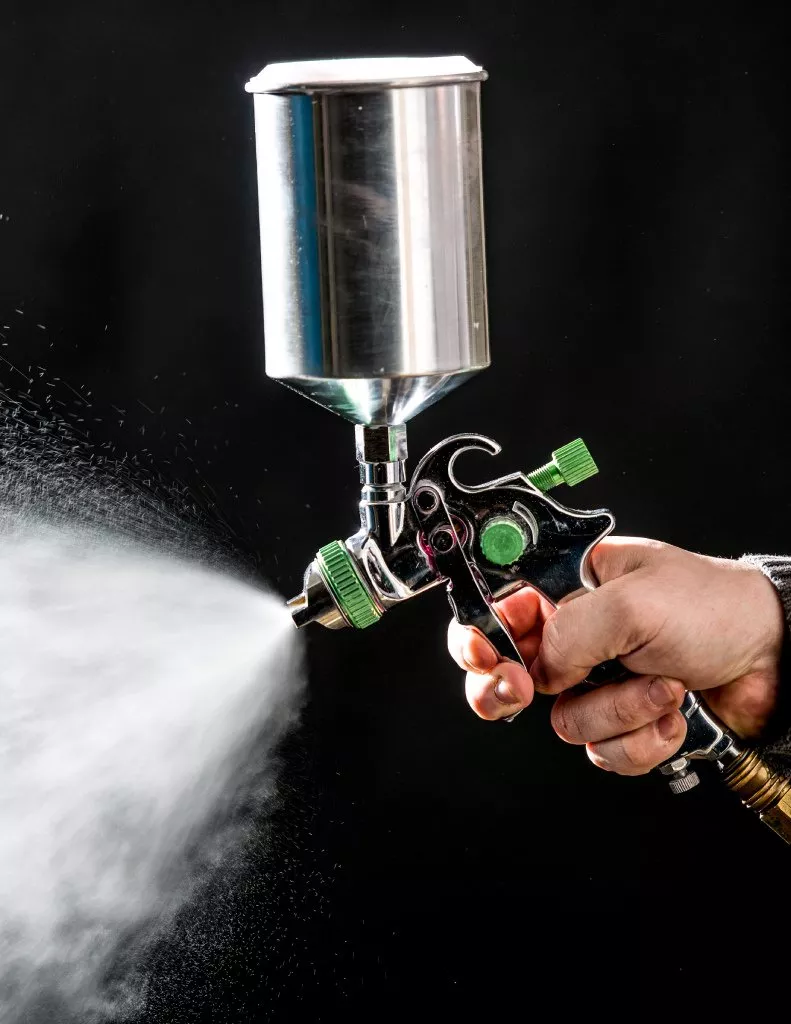

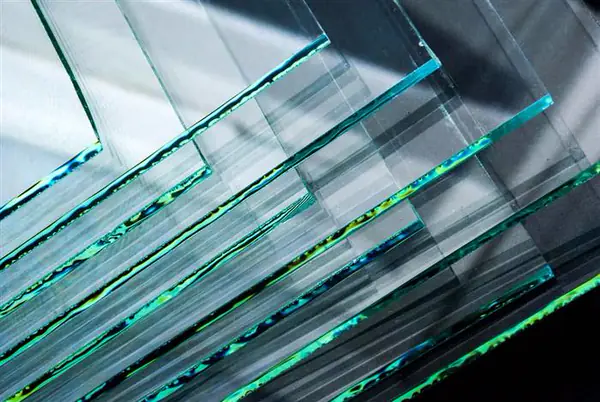
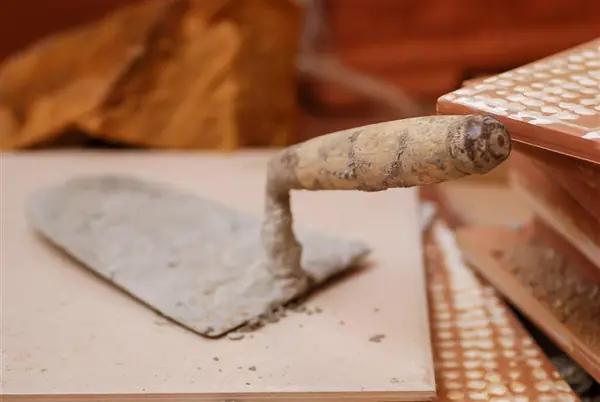
The ceramics and porcelain sector — encompassing floor and wall tile, sanitary ware, technical ceramics and domestic porcelain — is one of the most technically demanding markets for industrial mineral supply. Consistent mineralogy is not a preference in ceramics production; it is a production requirement. A shift in K₂O content between batches affects vitrification temperature, fired shrinkage and glaze fit. A rise in Fe₂O₃ introduces colour contamination that cannot be corrected in the kiln.
In porcelain tile body formulation, potash feldspar functions as the primary flux — reducing vitrification temperature and developing the glassy phase that gives vitrified tile its mechanical strength and water impermeability. Silica is used in body formulations to control thermal expansion, adjust fired shrinkage and contribute to dimensional stability in large-format tile production.
The paints and industrial coatings sector is one of the broadest markets for functional mineral fillers — encompassing decorative architectural coatings, industrial maintenance coatings, anti-corrosive primers, powder coatings, traffic markings, marine coatings and specialist application systems. Mineral fillers in this sector are not passive extenders; they are active functional ingredients whose particle size, morphology and chemistry directly influence coating performance — gloss, opacity, rheology, film build, anti-sag behaviour, anti-corrosive performance and durability.
In anti-corrosive coatings, barytes and talc perform complementary roles — barytes contributing density and chemical resistance, talc contributing film integrity and anti-sag. In architectural coatings, feldspar and silica are used as functional extenders, contributing hardness, scrub resistance and cost-effective formulation.
In polymer and rubber processing, mineral fillers serve a range of functional roles that go well beyond cost reduction — they modify stiffness, influence thermal behaviour, improve surface finish, control density and in some cases enhance resistance to UV degradation or chemical attack. The selection of mineral grade has a measurable effect on compound properties and processing behaviour.
In polypropylene compounding, talc is the most widely used reinforcing mineral — typically at loadings of 10–40% by weight to increase stiffness (flexural modulus), reduce thermal expansion and improve dimensional stability at elevated temperatures. In rubber compounding, mineral fillers modify hardness and processing behaviour, while barytes is used as a weighting agent where compound density matters.
Glass manufacturing is among the most chemically precise industrial processes that rely on mineral raw materials. The glass batch must be consistent in chemistry, particle sizing and moisture content to achieve predictable melt behaviour, glass colour, viscosity and working properties. Mineral impurities, particularly iron (Fe₂O₃), have a direct and visible effect on glass colour — a constraint that is critical in clear container glass, flat glass and optical or specialty glass applications.
In soda-lime glass batches — particularly container glass — feldspar is a widely used source of alumina (improving chemical durability) and potassium or sodium flux oxides (lowering melt temperature). Silica is the primary network former, typically around 70–74% of the finished glass composition. Glass batches use granular raw materials, so our glass offer is the screened Feldspar GG grade rather than our micronised powders.
The pharmaceutical manufacturing sector operates under the strictest mineral purity and documentation requirements of any industry served by Elixir Minerals. Talc is used in pharmaceutical tablet formulation as a lubricant (reducing die wall friction during compression), a glidant (improving powder flow in the hopper and feed system) and a diluent (contributing to tablet mass and compressibility). At each of these functional roles, the mineral must meet pharmacopoeial (compendial) standards.
NIL Asbestos certification is non-negotiable in pharmaceutical talc. Asbestos fibres are a designated carcinogen, and their confirmed absence from any talc used in an ingested product is a regulatory and ethical imperative — not a commercial add-on.
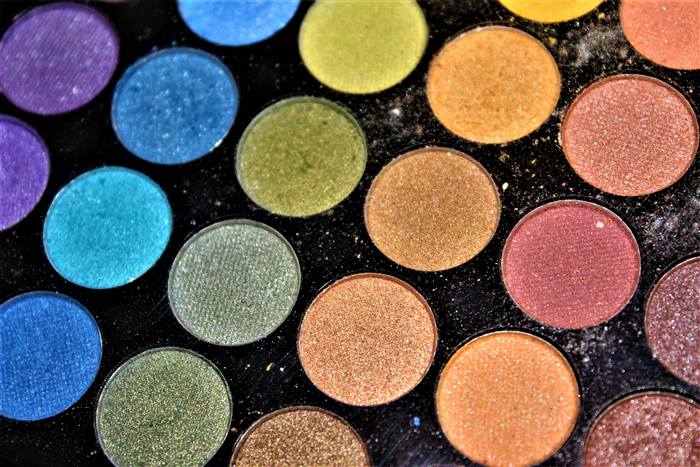
Personal care and cosmetics formulation uses mineral ingredients for their contribution to texture, skin feel, oil absorption, coverage and product stability. Talc is used in face and body powders, setting powders and foundation formulations. Asbestos is prohibited in cosmetic products under UK and EU cosmetics law, so formulators expect documented evidence that any talc they use has been tested and found free of asbestos. EU customers should also monitor the pending EU carcinogen classification of talc, which could restrict its use in cosmetics sold in the EU.
In pressed powder formulations, talc provides the primary plate-forming mineral that gives the powder its smooth, silky skin feel. In loose powders, talc contributes slip, coverage and adherence. The particle size of the talc used directly affects skin feel — finer grades produce a softer, more sensory experience.
The construction products sector — encompassing tile adhesives, grouts, renders, external insulation systems, joint compounds, dry-mix mortars, sealants and specialist coatings — is a large and technically varied market for industrial mineral fillers. Mineral selection in construction products is typically driven by four criteria: particle size and gradation (affects workability, open time and dimensional stability); chemical inertness; purity; and cost-in-use.
In polymer-modified tile adhesive, silica finely milled and classified powder contributes to open time, provides the inert mineral body that carries adhesive load, and affects dimensional stability during curing. In sealant and mastic systems, lamellar fillers such as pyrophyllite contribute workability, reduce sagging and improve film integrity.